On the CJP Movement and its broader implications
The recent protests in Delhi, spearheaded by the Cockroach Janata Party (CJP) and amplified by India's youth, were a heartening jolt after years of simmering disquiet. If nothing else, they proved that people still care about the thing a democracy runs on: accountability. One cannot run a government, being elected by the people but not be accountable for the happenings under their watch. What further galvanised the 'Sansad Chalo' (march to parliament) call was the sudden act of forcibly removing Sonam Wangchuk, who had been on an indefinite hunger strike calling for the resignation of the Education Minister Dharmendra Pradham, from the protest site and into illegal confinement in Safdarjung Hospital against his wishes.
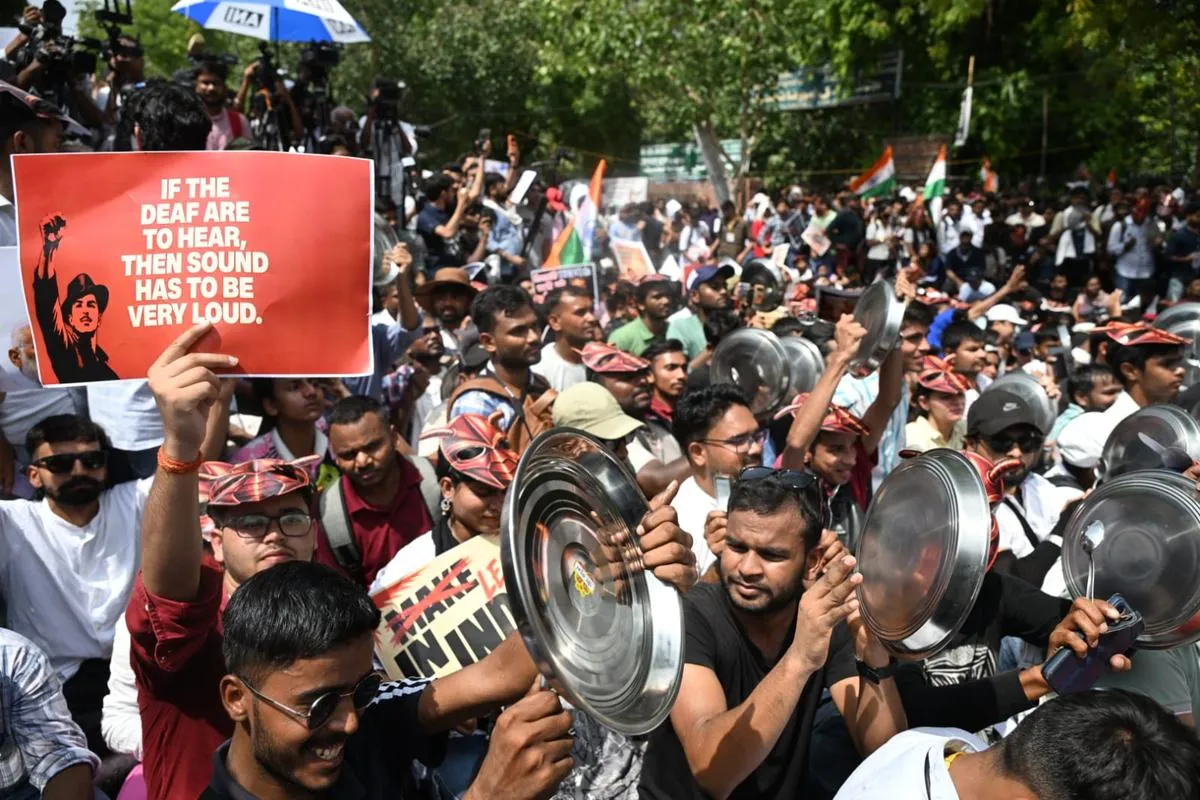
The NEET paper-leak scandal was only the spark. In any government worth its salt, twenty student deaths - caused, unambiguously, by the National Testing Agency's own failures - would have triggered swift reform, compensation for the families, and someone taking ownership of the mess. None of that happened. My sense is that the anger ran deeper than NEET. Nitin Gadkari, now (in)famously nicknamed the "ethanol minister" for his fuel-blending push, was another slow-burning irritant. Gadkari heads Road & Transport; Hardeep Puri heads Oil & Petroleum - yet their priorities seem to have swapped. E20 fuel is now the default at the pump, while pure, unblended petrol carries a premium. Millions of vehicle owners are not amused. Meanwhile CIAN Agro, owned by Gadkari's son, rode an astonishing run of upper circuits for days on end before it eventually cooled off.
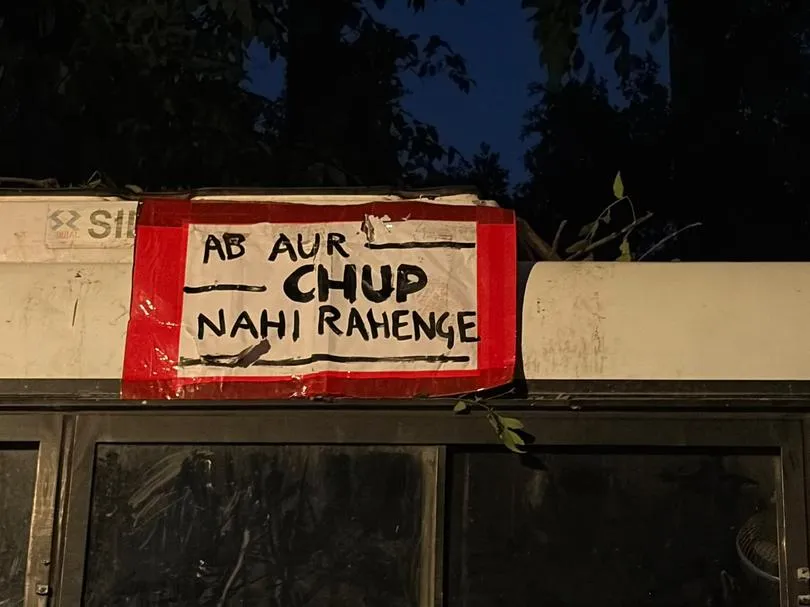
I think what also helped was that by and large the protests were apolitical. It was almost as if the youth wanted to own the protests and ensure the government heard their voices. People travelled from all over the country - some from Pune, some from Kolkata, folks from Bangalore, everywhere - and all converged into Delhi. It was extremely sad that the Delhi Police chose to use wanton and disproportionate force - tear shells, sticks with nails embedded, electric batons and the likes - against the hordes of mostly peaceful protesters. As they say, power corrupts! People were pushed, shoved and treated with utmost disrespect by the RAF and the police forces.
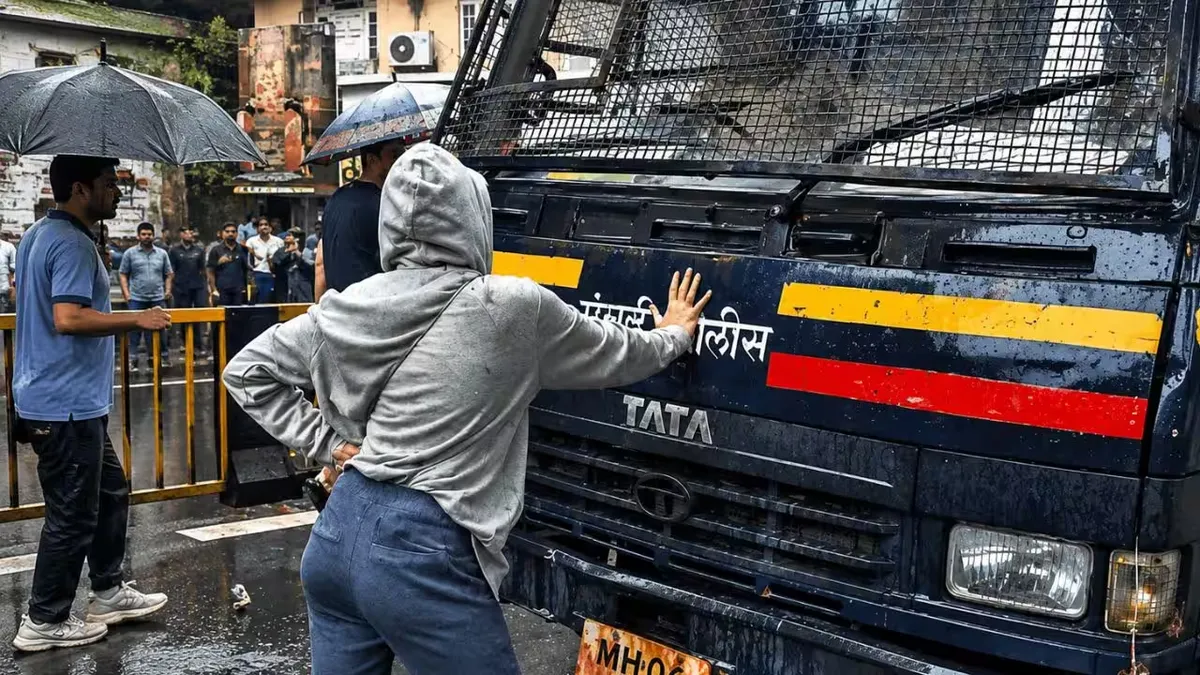
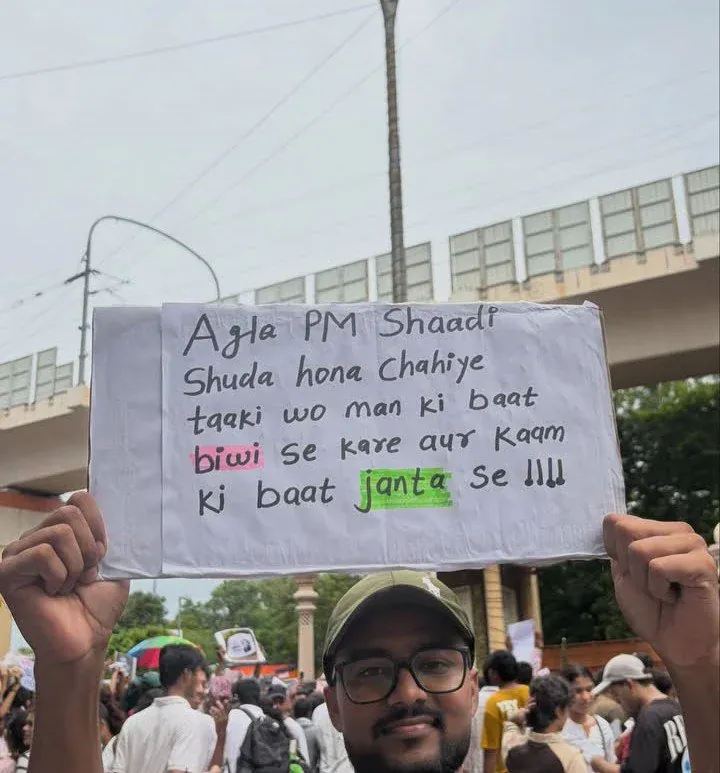
Despite the adversities, the brave hearts persisted. People brought along with them all sorts of creatives. Most lampooned the government. Some highlighted the crony relationships that the political executives fostered. Many were also based on meme trends themselves! Yet the picture that remained with me was not one of posters, but where a woman in Mumbai single-handedly defied the State (read: the police) by stopping a van on its tracks.
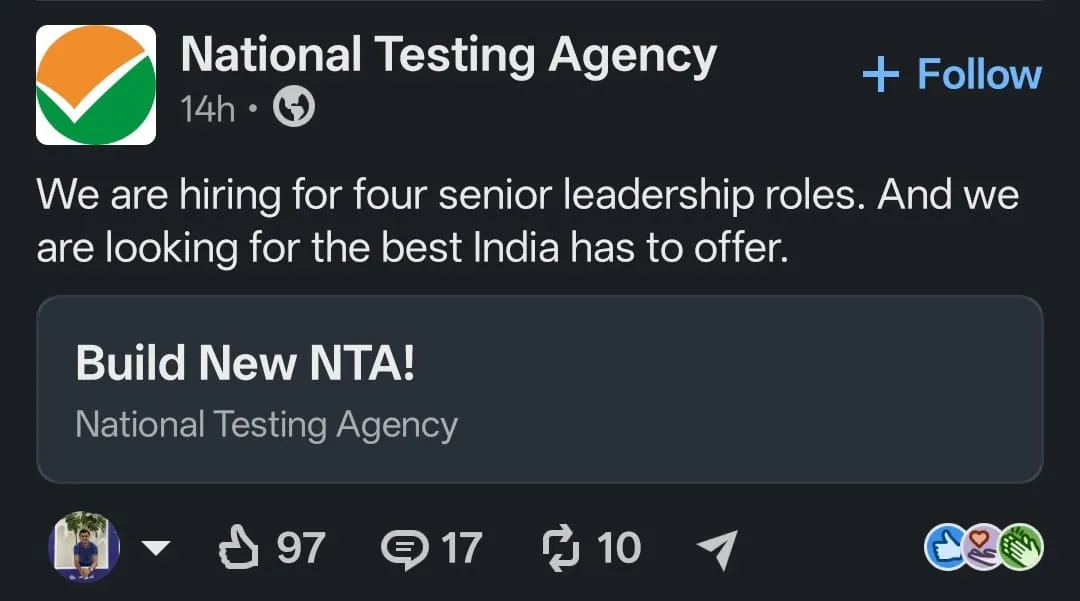
All of the efforts finally resulted in Dharmendra Pradhan resigning from his post. That however is not all; a high-powered committee has now been constituted to look into the complete revamp of how public examinations are conducted in India. Heck, I even found NTA advertising for openings on LinkedIn post the uproar!
With 2029 elections on the horizon and young voters set to make up a sizeable share of the electorate, PM Modi has visibly recalibrated his outreach - a flurry of selfie-videos, the kind of casual, first-person commentary Gen Z favours, aimed squarely at staying relevant to this new base. He clearly senses the shift in public mood: his government can no longer count on getting away with negligence the way it once might have. That message needed to land. I'm glad it finally did.